If your cat’s eyes look red, watery, cloudy, or half-closed, you already know something’s off — cats don’t usually make a fuss about discomfort until it’s noticeable. Eye issues range from minor irritation that clears up in a day to conditions that need a vet visit fast. Here’s how to tell the difference, what causes it, and what actually helps.
Common Signs of Eye Problems in Cats
Watch for any of these:
- Redness in the white of the eye or the eyelid rim
- Excessive tearing or thick, colored discharge (yellow, green, or white)
- Squinting or keeping one eye partially closed
- Cloudiness or a bluish-white film over the eye
- Swelling around the eye
- Pawing at the face or rubbing against furniture
- A visible third eyelid (the pale membrane in the inner corner)
- Sensitivity to light or hiding in dark spots more than usual
One eye affected usually points to injury or a localized infection. Both eyes at once often means a viral, bacterial, or allergic cause affecting the whole body, not just the eye itself.
What Usually Causes It
Conjunctivitis is the most common culprit — inflammation of the pink tissue around the eye, often from a viral infection (like feline herpesvirus), bacteria, or allergens such as dust and pollen. It causes redness, discharge, and squinting, and can affect one or both eyes. Kittens and cats in multi-cat households are especially prone, since it spreads easily between cats.
Upper respiratory infections frequently come with eye symptoms in cats, especially kittens and shelter cats. A runny nose and sneezing alongside watery eyes is a strong clue. These infections are common, contagious among cats, and usually run their course with supportive care and, sometimes, medication from a vet.
Corneal scratches or ulcers, usually from a scuffle with another animal, a stray branch outdoors, or even rough play, cause sudden squinting and sensitivity to light. These need prompt attention — an untreated scratch can deepen into an ulcer within days, which is far more painful and harder to treat.
Foreign objects — a grass seed, an eyelash growing the wrong way (entropion), or dust — can lodge under the eyelid and cause constant irritation until removed. A cat pawing repeatedly at one eye, with no other symptoms, often has something physically stuck or rubbing.
Cataracts or glaucoma are less common but more serious, usually seen in older cats or those with underlying conditions like diabetes. Cloudiness, a visibly enlarged eye, or sudden vision loss are red flags that need veterinary diagnosis, not home care. Glaucoma in particular is a painful emergency — the eye pressure builds quickly and can cause permanent blindness within 24–48 hours if untreated.
Breeds More Prone to Eye Issues
Flat-faced (brachycephalic) breeds like Persians, Himalayans, and exotic shorthairs have shallower eye sockets and shorter tear ducts, which makes them more likely to develop chronic tearing, corneal exposure, and recurring irritation. If you have one of these breeds, a little extra vigilance — and a regular gentle cleaning routine — goes a long way.
What Actually Helps
For mild redness or minor discharge with no other symptoms, you can gently clean around the eye with a clean, damp cotton pad — wipe outward, away from the tear duct, using a fresh pad for each eye. Never use human eye drops, essential oils, or anything not specifically labeled for cats; even products marketed as “natural” can irritate the eye or mask a worsening problem.
If the discharge is thick or colored, the eye is swollen, or your cat is clearly in pain (squinting, pawing, avoiding light), that’s a vet visit, not a wait-and-see situation. A vet can identify whether it’s viral, bacterial, or something more serious like an ulcer, and prescribe the right eye drops or ointment — over-the-counter products won’t touch a bacterial infection or a scratch, and using the wrong treatment can delay real healing.
For cats prone to recurring mild irritation, a vet-recommended saline eye rinse used a few times a week can help keep the area clean between flare-ups. Keeping fur trimmed around the eyes (especially in long-haired breeds) also reduces the chance of hair poking into the eye and causing chronic tearing.
A Simple Tool for At-Home Eye Cleaning
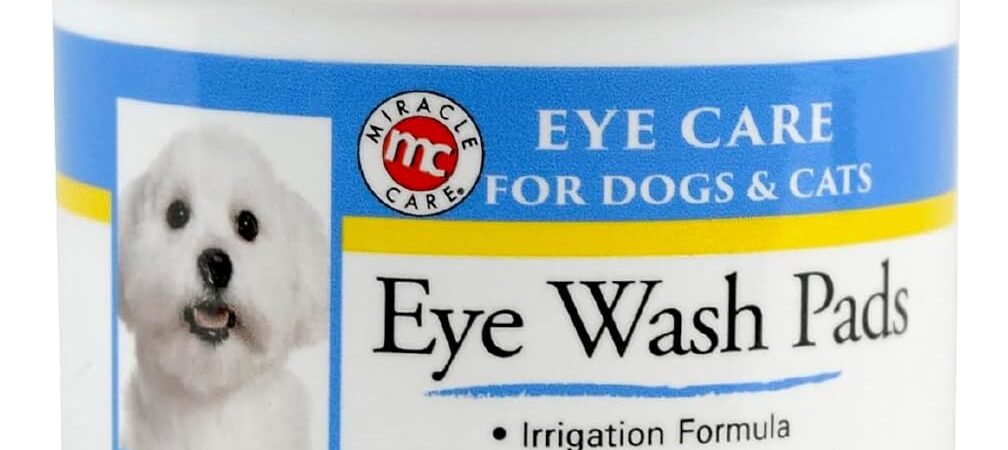
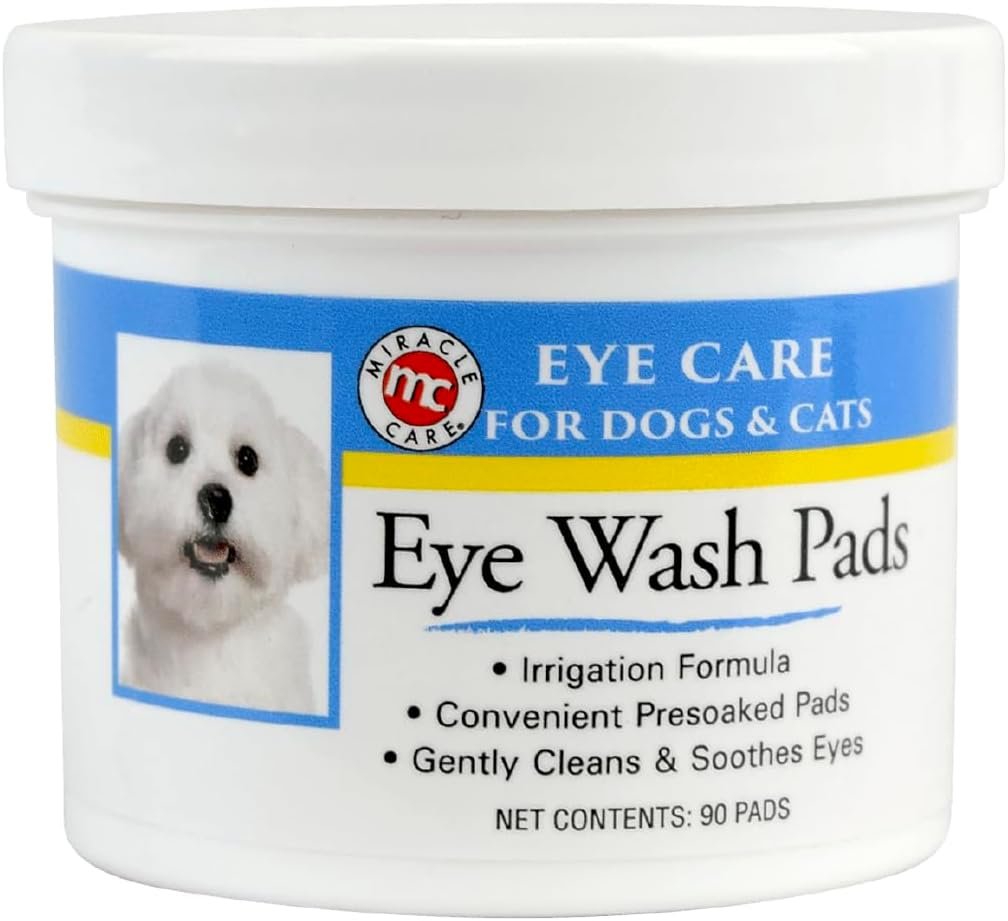
For everyday maintenance — clearing away morning crust, tear stains, or mild debris — pre-soaked eye wash pads are a convenient option worth keeping on hand. Miracle Care Eye Wash Pads are formulated specifically for cats and dogs, with a gentle irrigation solution designed to clean and soothe the eye area without stinging. Each pad comes pre-soaked, so there’s no mixing or measuring — just wipe outward, away from the tear duct, the same way you would with a damp cotton pad.
These pads work well for routine care and mild tear staining, especially in breeds prone to watery eyes. They’re not a treatment for infections, ulcers, or anything requiring medication — for those, a vet visit is still the right call. But for day-to-day cleaning, they’re a simple way to keep the area comfortable between checkups.
This post contains an affiliate link. If you make a purchase through it, we may earn a small commission at no extra cost to you.
Prevention Tips
- Keep litter boxes and bedding clean — dust and debris are common irritants.
- Groom regularly, especially around the face, to prevent hair from rubbing against the eyes.
- Keep vaccinations up to date; feline herpesvirus and calicivirus, two common causes of eye and respiratory symptoms, are covered by core vaccines.
- Separate a cat with visible eye discharge from other cats when possible, since many causes are contagious.
- Schedule an annual vet check that includes an eye exam, especially for cats over seven years old, when cataracts and other age-related issues become more likely.
Frequently Asked Questions
Can I use human eye drops on my cat?
No. Human eye drops often contain ingredients that are unsafe for cats or simply won’t address the underlying cause. Always use products labeled specifically for cats, and ideally ones recommended by your vet.
Will my cat’s eye infection go away on its own?
Some mild, viral-related irritation can clear up within a couple of days with basic hygiene. But if symptoms persist past 48 hours, worsen, or come with other signs like lethargy or loss of appetite, it needs veterinary care.
Is eye discharge always a sign of infection?
Not always — some breeds naturally have more tearing, and occasional light crust in the morning is normal. It’s a concern when the discharge is thick, colored, sudden, or paired with squinting or swelling.
When to See a Vet Immediately
- Sudden squinting or obvious pain
- Cloudiness, a visibly larger eye, or a change in pupil shape
- Discharge that’s thick, colored, or foul-smelling
- Symptoms lasting more than 48 hours
- Any sign the cat can’t see well (bumping into things, hesitating at edges)
Eye conditions can escalate fast because the cornea is thin and vulnerable — what looks minor on day one can become a serious ulcer by day three if left untreated.
The Bottom Line
A little morning crust in the corner of the eye is usually nothing. Redness, discharge, squinting, or cloudiness that doesn’t clear up in a day or two is your cat telling you it needs help. When in doubt, a quick vet visit is always the safer call — eyes aren’t something to wait out.